
The Role of Luck in Gambling
Luck is often perceived as a significant factor in casino gambling, where players engage in games of chance such as slots, roulette, and blackjack. The very nature of these games is to provide outcomes that are unpredictable, leading many people to attribute their successes or failures to luck. For instance, a player on a winning streak at a slot machine may feel that fortune is smiling upon them, while another who has lost multiple bets might believe they are simply unlucky. This duality illustrates how deeply luck is woven into the experiences of casino patrons, especially when considering options like $20 neosurf casino australia real money that can enhance their gameplay significantly.
However, the randomness inherent in casino games raises questions about how much control players really have over their luck. While some individuals will swear by their lucky charms or rituals—be it wearing a specific outfit or following a particular routine—the truth is that many games are designed with random number generators or established odds that do not favor any player. This points to a more statistical view of luck, suggesting that while luck influences outcomes, it does not solely determine them.
In many traditional games, luck can certainly appear to play a larger role. For example, in roulette, the spin of the wheel and the bounce of the ball are influenced by randomness, and no strategy can predict where the ball will land. In contrast, other games like poker involve skill and strategy, thus illustrating that the impact of luck varies significantly from game to game. Ultimately, while luck is an undeniable factor in the casino landscape, it is often intermingled with skill and strategy.
The Psychological Aspect of Luck
The psychological perception of luck can significantly influence a player’s experience in a casino. Players often engage in cognitive biases that distort their understanding of luck and chance. For example, the “gambler’s fallacy” leads individuals to believe that past outcomes will affect future results, causing them to make betting decisions based on previous wins or losses. This can lead to emotional highs and lows, impacting their overall gambling behavior and financial decisions.
Moreover, the concept of luck can create a sense of hope and anticipation. When players enter a casino, they often feel a rush of excitement, bolstered by the belief that they might experience a stroke of luck. This psychological engagement can lead to prolonged play and potentially more gambling losses, as the lure of winning reinforces their belief in luck. As such, casinos are adept at creating environments that enhance these feelings, from vibrant lights to melodic sounds that evoke excitement with every spin and deal.

Additionally, players often form social connections around luck. Discussions about “lucky” numbers, favorite machines, or even lucky locations within the casino can lead to a shared belief system among players. This camaraderie can further deepen the emotional ties to the idea of luck in gambling, reinforcing behaviors and patterns that may not always align with logical decision-making. As a result, the psychological aspects surrounding luck play a critical role in influencing casino outcomes and the overall gambling experience.
The Balance Between Skill and Luck
In the world of gambling, the interplay between skill and luck varies greatly among different games. For instance, while games like blackjack and poker require strategic thinking and a deep understanding of probabilities, games such as slots are predominately luck-based and less reliant on player skill. This dichotomy raises the question of whether skill can be developed to mitigate the effects of luck, thereby enhancing one’s chances of winning.
In skill-based games, players can adopt strategies to maximize their opportunities for success. For example, in poker, understanding opponents’ behaviors, bluffing effectively, and making calculated bets can make a significant difference in outcomes. In contrast, players of slot machines or roulette may find that their decisions have little bearing on the outcome of the game, leading to frustration when wins are few and far between. This balance emphasizes that while luck plays a role, informed and strategic decisions can significantly influence a player’s experience and success.
Moreover, the awareness of this balance affects players’ approaches to their gambling strategies. Those who recognize that they can control certain elements within skill-based games might engage more thoughtfully, considering each decision carefully. In contrast, players focused on luck might take a more casual approach, relying on chance rather than skill. This differentiation often creates two types of gamblers: those who view gambling as a strategic endeavor and others who see it purely as a game of fate, impacting how they experience outcomes and their overall satisfaction in casinos.
The Casino’s Perspective on Luck
From the casino’s perspective, luck is an essential part of the gambling experience. Casinos thrive on the premise of chance, consistently developing games that attract players with the allure of hitting it big. By understanding and leveraging the psychological allure of luck, casinos create an environment where players feel they have a chance to win, thus encouraging prolonged play. This psychological reinforcement can lead to significant revenue generation for the casino.
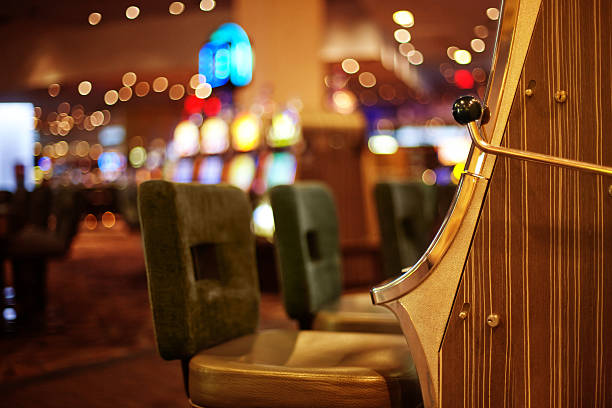
Furthermore, casinos employ marketing strategies designed to capitalize on the concept of luck. Promotions often feature the term “lucky” or encourage players to share their success stories, reinforcing a narrative that luck is a key component of the gaming experience. The presence of lucky symbols, décor, and themed events contribute to this atmosphere, making players feel more invested in the outcomes of their games. This cultivation of luck not only enhances the experience but also builds a relationship between the player and the casino.
However, casinos also understand the inherent randomness of their games and statistically design them to ensure profitability over time. The house edge is built into the games, ensuring that while luck may occasionally favor a player, the overall odds are in the house’s favor. This business model relies on the balance of luck and strategy, where players are drawn in by the potential for winnings but are ultimately subject to the established probabilities that define each game.
Conclusion: Navigating Luck in Casinos
In conclusion, while luck undoubtedly plays a significant role in casino outcomes, the interplay between luck, skill, and psychological factors creates a complex gaming environment. Players need to understand that their approach to gambling heavily influences their experience, shaping their perceptions of luck and their overall satisfaction. Engaging with games that require skill may provide a greater sense of agency and understanding over time, while luck-driven games can sometimes foster unrealistic expectations.
Whether one believes that luck can indeed change the course of their gambling journey or views it as a mere illusion, the casino experience is enriched by this dynamic. As players navigate the vibrant landscape of chance, they encounter not only the thrill of potential winnings but also the challenges and lessons associated with risk-taking. Ultimately, responsible gambling, an understanding of the odds, and a balanced perspective on luck versus skill can lead to healthier experiences within casinos.
For those looking to delve deeper into the world of casinos and gambling strategies, exploring educational resources and engaging with the gaming community can offer valuable insights. Whether you’re a seasoned player or a curious novice, understanding the mechanics behind luck and skill can enhance your gaming experience, enabling you to make more informed decisions at the tables and machines. Embrace the journey, and may luck always be in your favor.